⭐ Popular Tire Sizes
Quick access to the most searched tire sizes.
View all popular sizes →Tire Reference Calculator
Enter a tire size to calculate dimensions and visualize how it fits and performs.
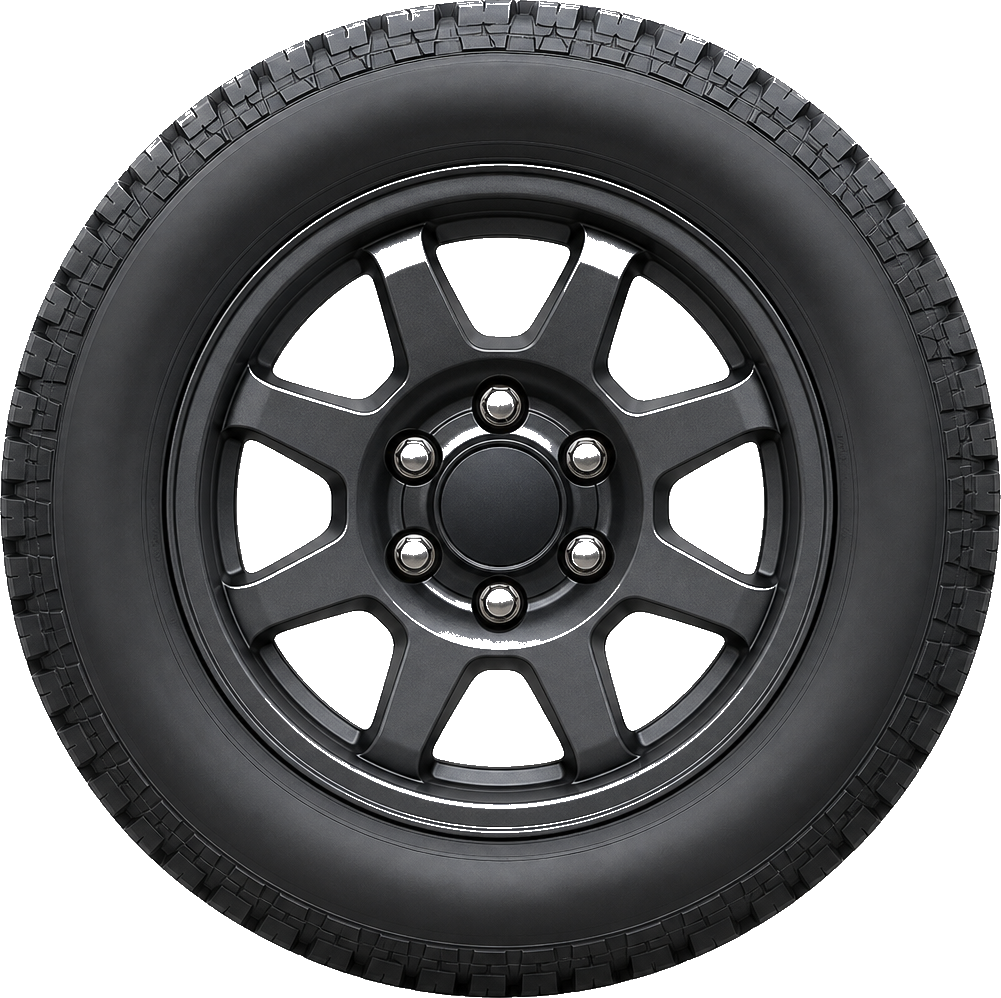
33.16 in
Overall Diameter
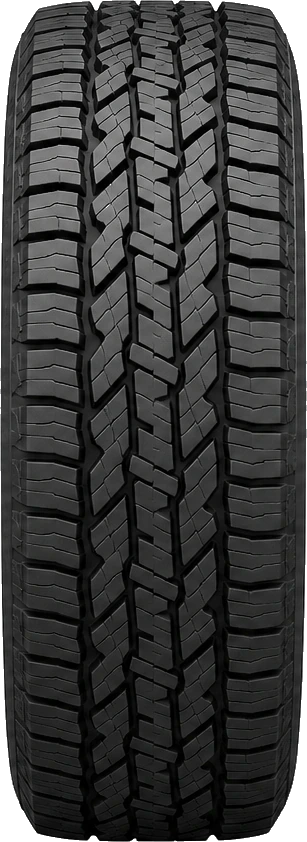
10.83 in
Section Width
Quick access to the most searched tire sizes.
View all popular sizes →See side-by-side visual comparison and performance impact.
A wider tire does not always improve snow traction.
Tire Size Explained
A tire size like 275/70R18 contains important information about your tire's dimensions and construction.
The width of the tire in millimeters from sidewall to sidewall.
The height of the sidewall as a percentage of the width.
The tire is built using radial ply construction.
The diameter of the wheel in inches that the tire fits.
More sidewall helps absorb potholes and rough roads.
Taller tires trade some steering precision for comfort.
Moderate footprint — expect a small efficiency tradeoff versus narrow OEM sizes.
Larger overall diameter raises the axle and improves obstacle clearance.
Taller sidewalls and diameter support airing down and trail clearance.
Larger truck sizes often pair with stronger constructions.
Tread compound matters more than size alone.
This tire size prioritizes off-road capability, towing, comfort, and ground clearance while accepting minor tradeoffs in steering response, efficiency, and snow traction.
Tire Size Cheat Sheet
31 inch
Stock Truck
Common factory diameter for many trucks and SUVs.
33 inch
Popular Upgrade
Often adds useful clearance without extreme build changes.
35 inch
Serious Off-Road
Bigger stance and trail capability with more fitment demands.
37 inch
Extreme Build
Usually requires suspension, gearing, and clearance planning.
Related Calculators
Common next-step sizes from this tire.
See how this tire stacks up against common alternatives.
Well-known tire models commonly sold in this size.
BFGoodrich All-Terrain T/A KO3
All-TerrainFalken Wildpeak A/T4W
All-TerrainToyo Open Country A/T III
All-TerrainFAQ
Enter the tire width, aspect ratio, and wheel diameter, or paste a full size such as 275/70R18. The calculator converts those values into real dimensions: overall diameter, section width, sidewall height, circumference, and revolutions per mile. Those numbers explain how a tire will fit and behave, but they are not the same as comparing two sizes. For speedometer change, clearance gain, or gearing difference, use a tire comparison calculator with both the current and new tire sizes.
The first number is the section width in millimeters. The second number is the aspect ratio, meaning the sidewall height is that percentage of the width. The letter describes construction, usually R for radial. The final number is the wheel diameter in inches. Together, those values determine the tire’s real outside diameter and sidewall height. That is why two sizes that look close on paper can ride differently or fit differently once installed.
Overall diameter and section width matter most. Diameter determines how much vertical wheel-well space the tire needs and how much it affects gearing. Section width determines inner clearance near suspension components and outer clearance near fenders. Wheel offset and wheel width can make the same tire size fit differently on two vehicles. Always treat calculator results as a measurement baseline, then verify clearance on the exact vehicle and wheel combination.
Tire size affects ride comfort, steering response, braking feel, fuel economy, and speedometer behavior. Taller tires can soften impacts and increase ground clearance, but they may feel heavier and reduce acceleration. Wider tires can improve dry grip, but they may increase road noise, tramlining, and rolling resistance. Lower-profile tires typically sharpen handling but transmit more impact into the cabin. The best size depends on whether the vehicle is used for commuting, towing, off-road travel, or performance driving.
Diameter is important, but it is not enough. Two tires can share a similar overall diameter while having different widths, sidewall heights, load ratings, and tread constructions. A narrow touring tire and a heavy all-terrain tire can calculate similarly but feel completely different on the road. Use diameter to protect speedometer accuracy and clearance, then evaluate width, load range, tread type, and intended use before choosing a final size.