
Ride Height
+0.13 in
What this means
Changes how high the vehicle sits and how confidently you clear obstacles on rough terrain.
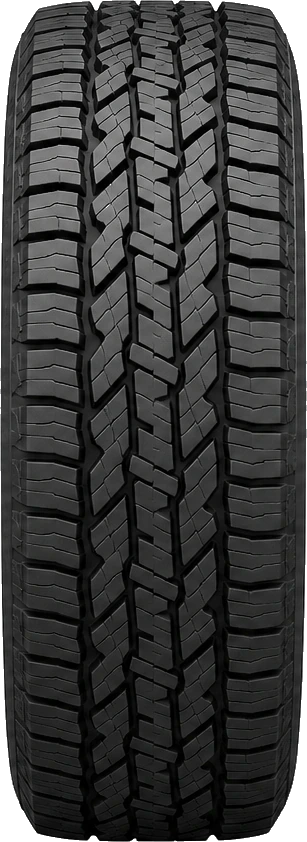
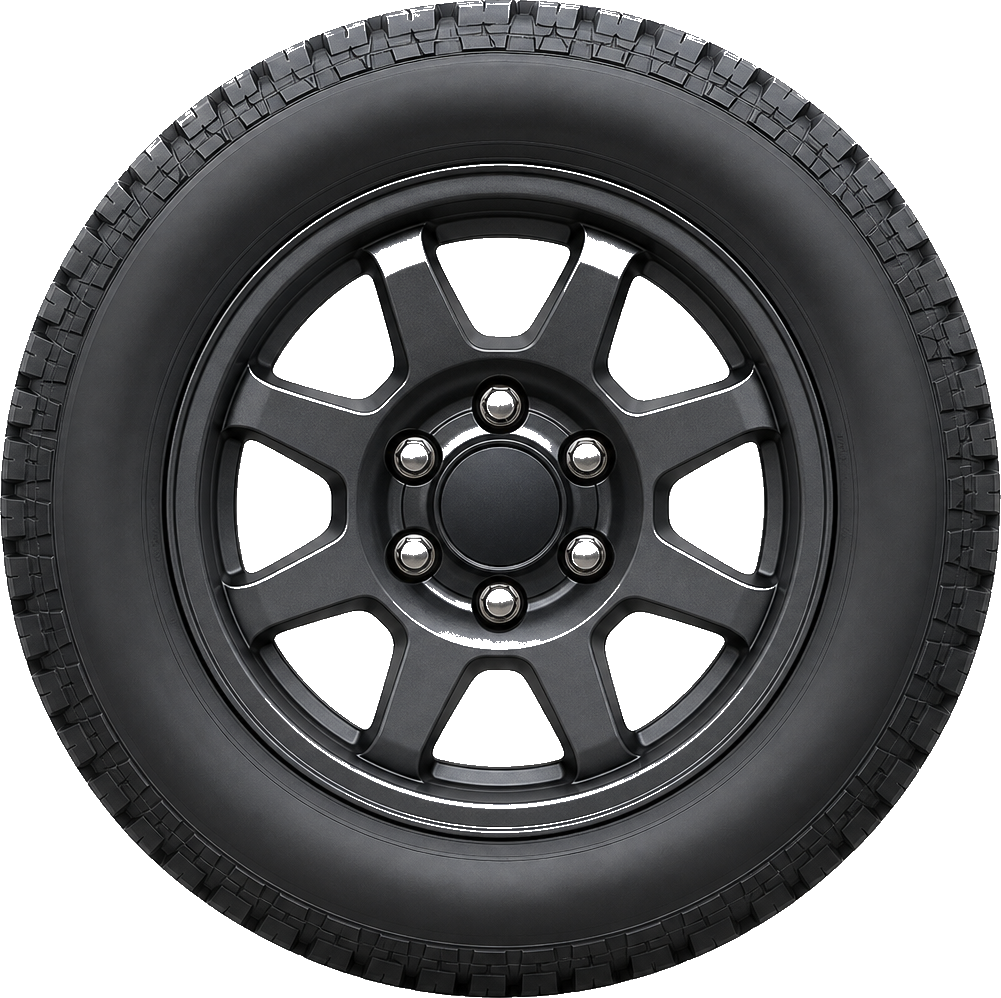
Overall Diameter
24.47in
Affects ride height, gearing, and speedometer accuracy.
Section Width
7.28in
Affects traction footprint and steering effort.
Sidewall Height
4.73in
Influences ride comfort and off-road compliance.
Circumference
76.87in
Determines distance traveled per wheel revolution.
Revs Per Mile
824
Used for speedometer and gearing calculations.
Wheel Diameter
15in
Determines wheel compatibility and fitment.
The 185/65R15 is a passenger-market size aimed at drivers who value comfort, efficiency, and predictable daily behavior over aggressive styling or trail capability. It occupies the mainstream replacement space where OEM fitments emphasize low noise, smooth ride quality, and sensible fuel economy. The narrower contact patch helps keep rolling resistance and steering effort low — priorities for compact and midsize sedans. With its tall sidewall setup, this size absorbs everyday road imperfections better than stiff low-profile alternatives while avoiding the bulk that larger SUV and truck tires add. It is a practical choice for commuting, family errands, and long highway miles where reliability and operating cost outweigh maximum grip or ground clearance.
185/65R15 is a staple passenger-car OEM size on compact sedans where automakers balance rolling efficiency with everyday ride comfort.
Toyota
Corolla
LE
2014–2019
Honda
Civic
LX
2012–2015
Nissan
Sentra
S
2013–2019
Hyundai
Elantra
SE
2017–2020
Understand how this tire size changes vehicle behavior beyond the raw specifications.
Compared with 195/60R15
+0.13 in
What this means
Changes how high the vehicle sits and how confidently you clear obstacles on rough terrain.
+1.1%
What this means
Your dash-indicated speed will differ from true ground speed at highway velocities.
824 revs/mi
What this means
-9 revs/mi vs 195/60R15 — larger tires turn fewer times per mile at the same speed.
-1.0% revs
What this means
Rolling resistance and tire mass changes can shift miles-per-gallon on long highway runs.
+0.13 in sidewall
What this means
More sidewall compliance absorbs impacts; shorter sidewalls trade comfort for sharper response.
Trail-ready
What this means
Designed for paved-road comfort and efficiency — not for aggressive trail or heavy off-road use.
In detail
Within ±3% overall diameter — speedometer-safe alternatives.
Compare 185/65R15 against common alternative tire sizes.
Current Size
185/65R15
Locked to this page
Popular Comparisons
Diameter, width, and speedometer error at 60 mph indicated.
For most sedan and compact owners, 185/65R15 is worth upgrading only when you are replacing worn rubber or moving within the fitment range your vehicle supports — not for aggressive upsizing. The best value comes from choosing a high-quality touring compound that matches the door placard load and speed ratings. Upsizing diameter without a clear need can hurt efficiency and ride. If your current tires meet your comfort and wet-grip needs, a like-for-like premium replacement is often the smarter spend.
Passenger tires in 185/65R15 are usually among the most efficient options when you stay with low rolling resistance touring designs. Fuel economy suffers if you upsize width or choose heavy all-season patterns you do not need. Under-inflation is the most common mpg killer — check monthly. Compared with worn tires, a fresh set in the correct size can actually restore efficiency and braking performance. Match the compound to your driving: commuting favors touring, not off-road tread.
A new touring tire in 185/65R15 often rides better than worn factory rubber because tread depth and compliant compounds return impact absorption. If you switch to a lower aspect ratio, ride may get firmer even when the tire is new. Taller sidewalls generally soften potholes and driveway lips. For maximum comfort, prioritize touring lines with comfort tuning over sporty patterns. Balance pressure to the placard — over-inflation makes any tire harsh.
Winter suitability depends on the specific tire model, not just 185/65R15. All-season tires handle light snow; dedicated winter tires are better for regular ice and deep cold. If you see sustained below-freezing months, a winter set on steel wheels is safer than stretching one all-season year-round. Check for 3PMSF symbols when you need all-weather flexibility without a second set. Size matters less than compound flexibility and siping depth.
Highway noise is mostly tread pattern and carcass design, not size alone. Premium touring tires in 185/65R15 can be very quiet when new, with tuned pitch and foam inserts on some models. Aggressive all-season or off-road-styled patterns will hum more regardless of fitment. Rotate on schedule to prevent uneven wear that increases noise. If cabin quiet is your priority, read noise-focused reviews rather than choosing by appearance alone.
Compared with 195/60R15, differences in diameter and width affect speedometer accuracy, steering effort, and comfort — see the comparison table for exact values. Staying within a close diameter range preserves calibration and ABS behavior. Larger jumps may require fitment checks even on sedans. For daily drivers, choose the alternative that keeps you within placard load rating and maintains the ride quality you want on your regular roads.