
Ride Height
+0.01 in
What this means
Changes how high the vehicle sits and how confidently you clear obstacles on rough terrain.
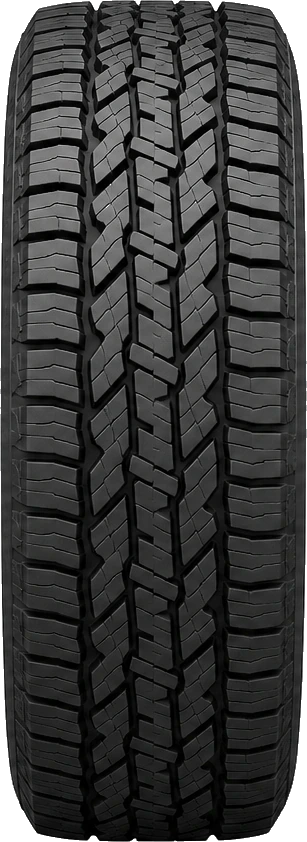
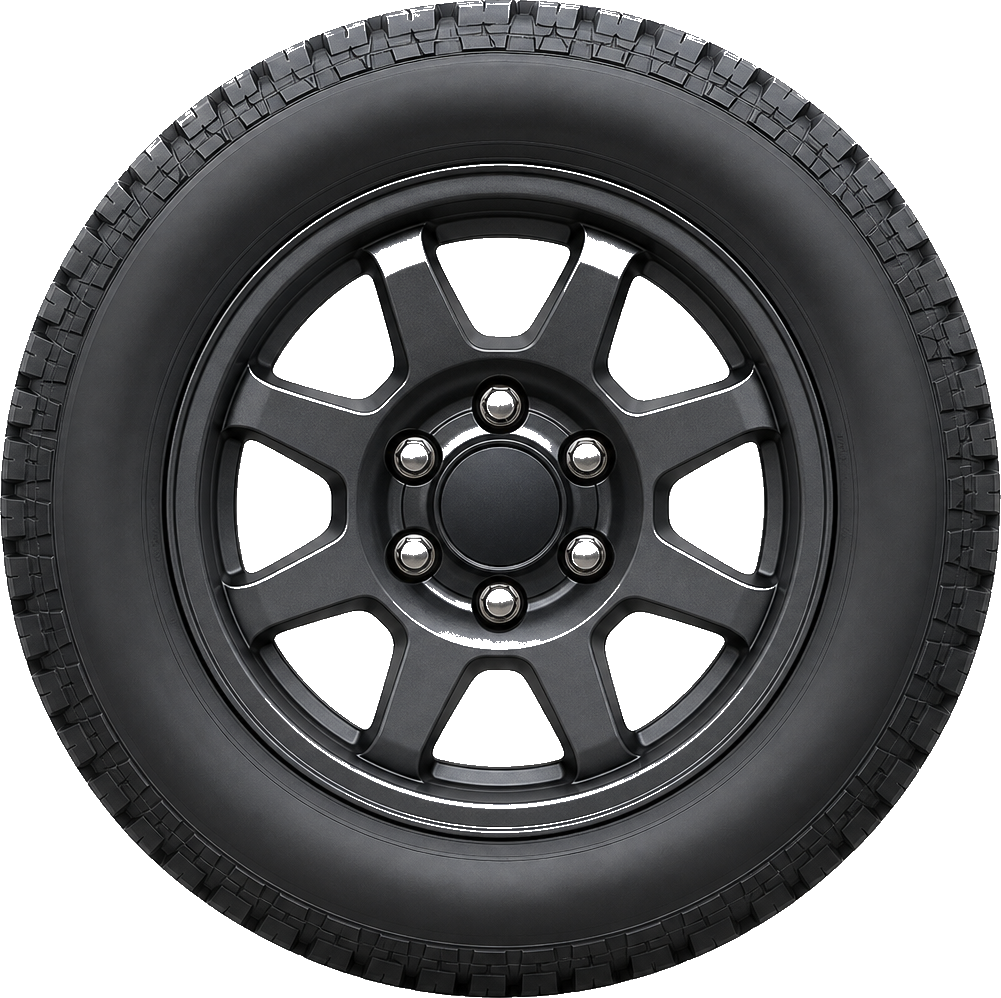
Overall Diameter
26.33in
Affects ride height, gearing, and speedometer accuracy.
Section Width
9.25in
Affects traction footprint and steering effort.
Sidewall Height
4.16in
Influences ride comfort and off-road compliance.
Circumference
82.71in
Determines distance traveled per wheel revolution.
Revs Per Mile
766
Used for speedometer and gearing calculations.
Wheel Diameter
18in
Determines wheel compatibility and fitment.
The 235/45R18 belongs to the performance tire segment where steering precision and cornering confidence matter more than maximum ride softness. Drivers choose this size when they want a low-profile setup with a moderate footprint that responds quickly to input and holds a predictable line through fast transitions. That short sidewall geometry limits flex under load transfer, giving sport sedans, coupes, and hot hatches the crisp turn-in and lateral stability enthusiasts expect. Tradeoffs are real: impact harshness increases on rough pavement, and winter traction can suffer compared with taller, more compliant alternatives. For enthusiasts prioritizing handling feel over everyday isolation, 235/45R18 remains a well-regarded fitment in the performance market.
235/45R18 is a performance passenger size found on upscale sedans and EVs that want a planted footprint without the harshest ultra-low sidewalls.
BMW
4 Series
428i Gran Coupe
2015–2016
Audi
A6
Premium
2012–2018
Mercedes-Benz
E-Class
E350
2017–2020
Tesla
Model 3
Long Range
2018–2023
Volkswagen
Passat
R-Line
2020–2022
Understand how this tire size changes vehicle behavior beyond the raw specifications.
Compared with 215/55R17
+0.01 in
What this means
Changes how high the vehicle sits and how confidently you clear obstacles on rough terrain.
+0.1%
What this means
Your dash-indicated speed will differ from true ground speed at highway velocities.
766 revs/mi
What this means
0 revs/mi vs 215/55R17 — larger tires turn fewer times per mile at the same speed.
-0.1% revs
What this means
Rolling resistance and tire mass changes can shift miles-per-gallon on long highway runs.
-0.49 in sidewall
What this means
More sidewall compliance absorbs impacts; shorter sidewalls trade comfort for sharper response.
UHP class
What this means
Prioritizes dry and wet pavement grip; not intended for rock-crawling or deep mud applications.
In detail
Within ±3% overall diameter — speedometer-safe alternatives.
| Size | Overall Diameter | Difference | Difference (%) | Taller / Shorter |
|---|---|---|---|---|
| 215/55R17 | 26.31 in | -0.02 in | -0.1% | Shorter |
| 215/60R16 | 26.16 in | -0.17 in | -0.6% | Shorter |
| 255/35R19 | 26.03 in | -0.30 in | -1.1% | Shorter |
| 245/45R18 | 26.68 in | +0.35 in | +1.3% | Taller |
| 225/55R17 | 26.74 in | +0.42 in | +1.6% | Taller |
| 225/50R17 | 25.86 in | -0.47 in | -1.8% | Shorter |
| 245/40R18 | 25.72 in | -0.61 in | -2.3% | Shorter |
| 205/60R16 | 25.69 in | -0.64 in | -2.4% | Shorter |
Compare 235/45R18 against common alternative tire sizes.
Current Size
235/45R18
Locked to this page
Popular Comparisons
Diameter, width, and speedometer error at 60 mph indicated.
For enthusiasts who want sharper handling and stronger grip, 235/45R18 is worth it when your suspension and brakes are in good condition and you actually drive spirited roads. The upgrade is harder to justify for pure commuting on rough city streets where ride comfort matters most. Match the compound to your climate — max-performance summer tires disappoint in cold weather. Confirm wheel width and offset support this section width before buying. Worth it means you value feedback and grip over plush isolation.
A performance-sized tire in 235/45R18 typically improves turn-in response and lateral grip versus taller, softer OEM rubber because the sidewall flexes less and the contact patch is tuned for dry and wet pavement. You will feel more road texture and impact harshness on broken surfaces — that is the tradeoff. Alignment and tire pressure become more noticeable to handling balance. For track-oriented drivers, heat management and tread compound matter as much as size. Expect better precision, not a softer commute.
Usually yes, especially if you are downsizing sidewall height or moving to a stiffer ultra-high-performance carcass. Low-profile setups transmit more impact into the cabin on potholes and expansion joints. The harshness is the price of quicker steering response and higher grip limits. Some owners adapt quickly; others prefer a slightly taller aspect ratio for daily use. If ride quality is non-negotiable, consider a grand-touring performance tire rather than a max-grip summer compound.
Rain performance depends on tread design and compound, not diameter alone. Quality UHP tires in 235/45R18 can be excellent in wet conditions when they have deep grooves and modern silica compounds. Worn or track-biased tires hydroplane earlier regardless of size. Check wet ratings and reviews for the specific brand you plan to buy. Rotate and replace before tread depth gets too shallow — wet safety drops quickly on performance patterns below 4/32 inch.
Only if you choose an all-season or all-weather performance compound rated for your coldest months. Dedicated summer tires in 235/45R18 are unsafe below roughly 40°F and on snow. Many enthusiasts run a winter wheel set and swap compounds seasonally — the better approach for year-round driving in mixed climates. Storage and swap cost is part of ownership. Do not stretch a summer tire through winter because the size fits — compound flexibility matters more than dimensions.
Versus 215/55R17, expect differences in width, diameter, and steering feel — use the on-page comparison for computed deltas. A wider neighbor adds grip but can increase tramlining and steering effort. A narrower or shorter neighbor may ride slightly softer but give up ultimate grip. Pick based on whether you need maximum track-day grip, daily sporty feel, or a compromise that tolerates rough pavement better.