
Ride Height
+0.23 in
What this means
Changes how high the vehicle sits and how confidently you clear obstacles on rough terrain.
Overall Diameter
30.04in
Affects ride height, gearing, and speedometer accuracy.
Section Width
10.04in
Affects traction footprint and steering effort.
Sidewall Height
5.52in
Influences ride comfort and off-road compliance.
Circumference
94.38in
Determines distance traveled per wheel revolution.
Revs Per Mile
671
Used for speedometer and gearing calculations.
Wheel Diameter
19in
Determines wheel compatibility and fitment.
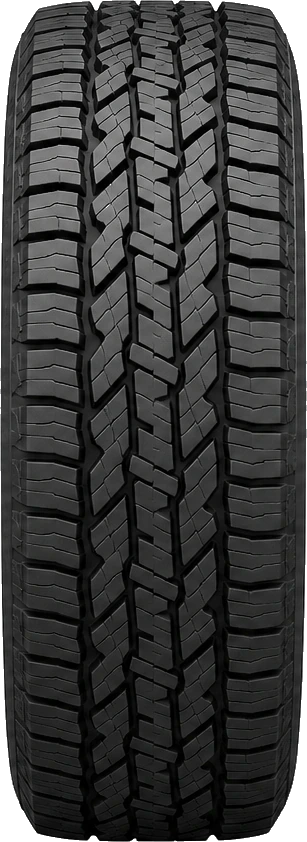
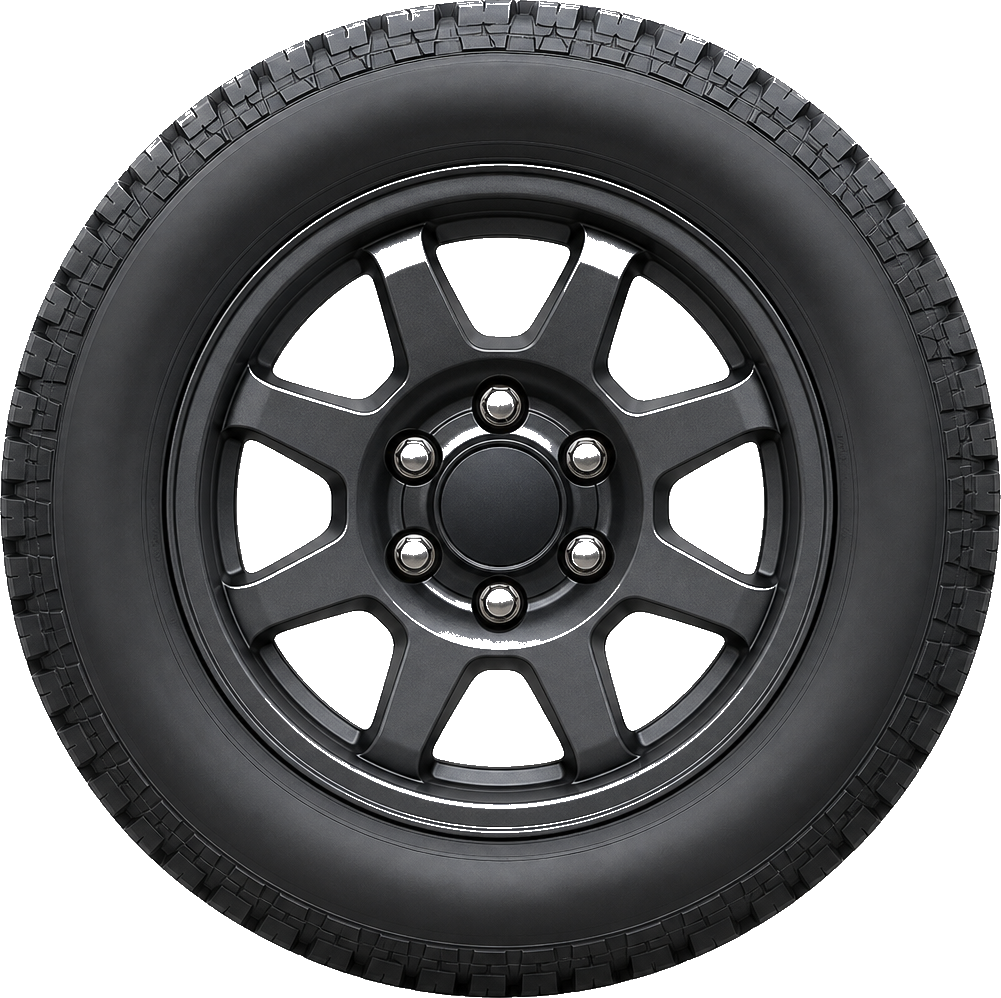
The 255/55R19 is a crossover and SUV fitment that balances everyday comfort with the versatility owners expect from a do-it-all family vehicle. Sitting in the 30-inch tire category, it sits in a popular middle ground: enough stature for a confident road presence and modest trail capability, yet restrained enough to keep steering effort, fuel use, and cabin noise in check. The sidewall height preserves enough compliance for driveway transitions and light gravel while maintaining crossover-friendly handling. Drivers often land here when they want a moderate footprint that handles school runs and road trips cleanly, then still feels capable on seasonal camping trips or forest-service roads. It is less specialized than a dedicated off-road build, but more adaptable than a pure commuter tire.
255/55R19 is a luxury SUV OEM fitment on premium crossovers that pair large-diameter wheels with enough sidewall for composed highway manners.
BMW
X5
xDrive40i
2019–2024
Mercedes-Benz
GLE
350
2020–2024
Audi
Q7
Premium
2017–2024
Volvo
XC90
T6 Momentum
2016–2024
Lexus
RX
350
2016–2022
Understand how this tire size changes vehicle behavior beyond the raw specifications.
Compared with 245/60R18
+0.23 in
What this means
Changes how high the vehicle sits and how confidently you clear obstacles on rough terrain.
+1.6%
What this means
Your dash-indicated speed will differ from true ground speed at highway velocities.
671 revs/mi
What this means
-11 revs/mi vs 245/60R18 — larger tires turn fewer times per mile at the same speed.
-1.6% revs
What this means
Rolling resistance and tire mass changes can shift miles-per-gallon on long highway runs.
-0.27 in sidewall
What this means
More sidewall compliance absorbs impacts; shorter sidewalls trade comfort for sharper response.
Trail-ready
What this means
Adds modest trail confidence for gravel roads and seasonal adventure use without dedicated off-road compromises.
In detail
Within ±3% overall diameter — speedometer-safe alternatives.
Compare 255/55R19 against common alternative tire sizes.
Current Size
255/55R19
Locked to this page
Popular Comparisons
Diameter, width, and speedometer error at 60 mph indicated.
For SUV owners who want more all-weather confidence and light trail capability, 255/55R19 is worth considering when it stays within your vehicle's fitment limits. The upgrade pays off on snowy approaches, gravel campground roads, and long family road trips where stability matters. It is harder to justify if you only drive smooth suburban pavement and want the softest possible ride and lowest fuel bill. Verify plus-size clearance on your exact crossover before buying — not every platform tolerates diameter changes equally.
Upsizing usually costs a small amount of fuel economy — often 1–2 mpg for SUV fitments — because of added weight and rolling resistance. All-weather and all-terrain patterns typically use more fuel than pure highway touring compounds. The change is gradual; you will notice it over a few tanks rather than immediately. Proper inflation and alignment matter more after upsizing than many owners expect. If efficiency is your primary goal, stay with a low-resistance touring tire in the OEM size class.
If you are moving to a taller sidewall, ride comfort on rough pavement often improves because the tire absorbs more impact before the suspension does. If you are widening without much diameter change, steering may feel heavier but impact harshness might not improve much. Stiffer all-terrain carcasses can ride harder than plush OEM all-seasons despite similar dimensions. Test-drive a known brand in this size before committing to four tires if comfort is your main concern.
Snow performance depends more on tread compound and 3PMSF certification than size alone. 255/55R19 can be excellent in winter when mounted with a dedicated all-weather or winter pattern with siping and flexible rubber. A tall all-terrain without winter rating may underperform a smaller winter tire in ice and slush. If you see regular below-freezing months, consider a two-wheel-set strategy rather than one compromise tire year-round. Correct inflation is critical in cold weather — pressure drops as temperatures fall.
Yes for many crossovers when fitment is confirmed and you choose a road-biased compound. 255/55R19 handles school runs, highway commuting, and warehouse-store parking lots without the compromises of extreme off-road builds. Cabin noise and steering effort may shift slightly versus OEM rubber — usually acceptable for adventure-oriented owners. Rotate on schedule and monitor TPMS after upsizing. Daily drivability stays strong when you avoid the most aggressive mud-terrain treads for pavement-only use.
The key differences versus 245/60R18 are overall diameter, width, and how much fitment margin your SUV retains — see the comparison section for exact numbers. A larger neighbor adds stance and light-trail confidence but may require attention to rubbing and speedometer accuracy. A smaller neighbor maximizes efficiency and fitment ease. Choose based on whether your SUV sees occasional gravel and snow or stays primarily on paved commuter routes.