
Ride Height
+0.11 in
What this means
Changes how high the vehicle sits and how confidently you clear obstacles on rough terrain.
Overall Diameter
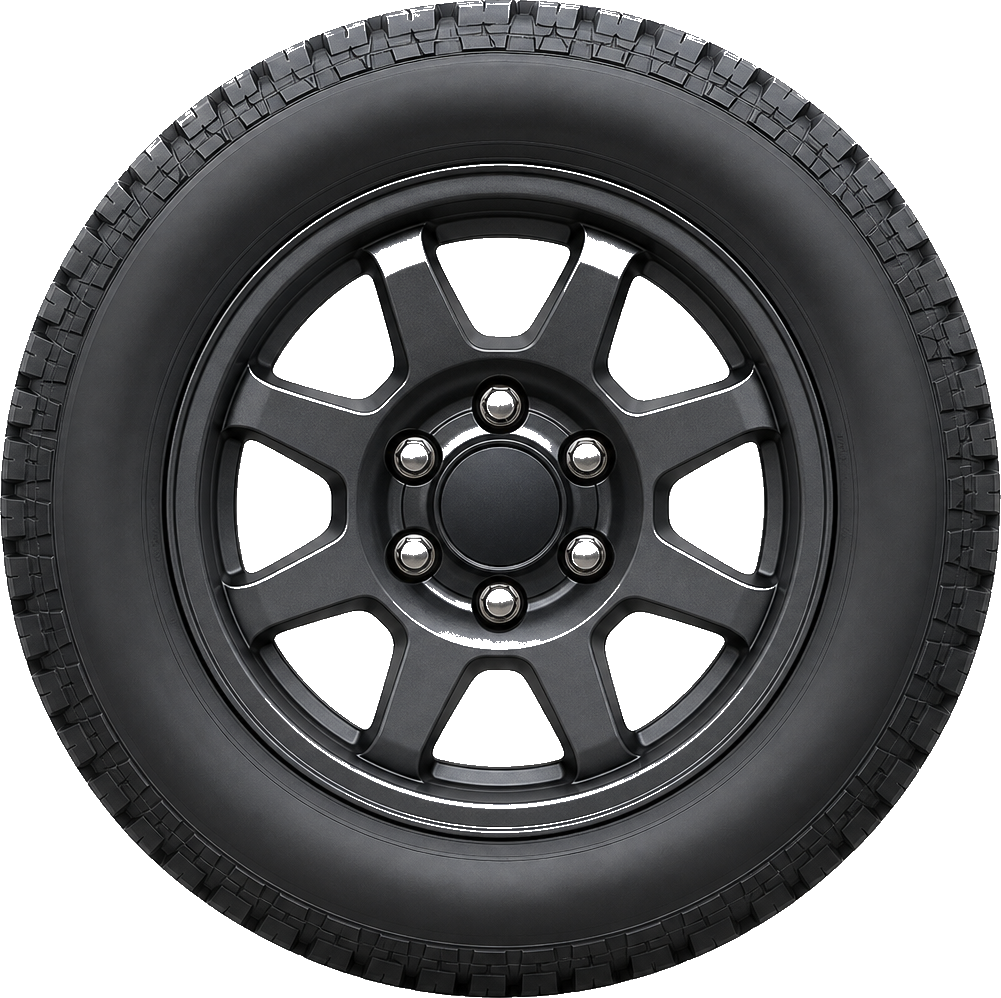
34.59in
Affects ride height, gearing, and speedometer accuracy.
Section Width
11.22in
Affects traction footprint and steering effort.
Sidewall Height
7.29in
Influences ride comfort and off-road compliance.
Circumference
108.66in
Determines distance traveled per wheel revolution.
Revs Per Mile
583
Used for speedometer and gearing calculations.
Wheel Diameter
20in
Determines wheel compatibility and fitment.
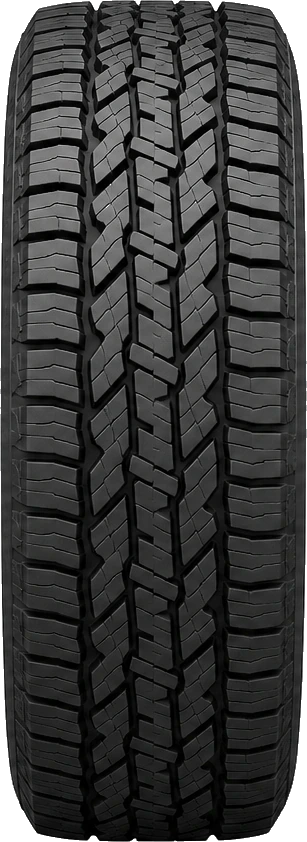
The 285/65R20 is a light-truck size chosen for durability, load capacity, and towing confidence rather than sporty handling or maximum fuel economy. Sitting in the 35-inch tire category, it targets owners who need a tire that tolerates payload swings, long highway pulls, and jobsite debris without giving up reasonable on-road manners. The wider section supports confident traction when a trailer is hitched or a bed is loaded. With its tall sidewall setup, it resists the sidewall damage that plagues softer passenger compounds when pressures drop or curbs bite. Tradeoffs include higher mass and rolling resistance than compact-car fitments, but for half-ton and midsize truck applications, 285/65R20 remains a dependable anchor size in the replacement market.
285/65R20 is a light-truck OEM size on ¾-ton and heavy-duty pickups engineered for high payload ratings and aggressive off-road packages.
Ford
F-250 Super Duty
Lariat
2017–2022
Ram
2500
Power Wagon
2014–2024
Chevrolet
Silverado 2500HD
LTZ
2020–2024
GMC
Sierra 2500HD
Denali
2020–2024
Nissan
Titan XD
PRO-4X
2016–2021
Understand how this tire size changes vehicle behavior beyond the raw specifications.
Compared with 315/70R17
+0.11 in
What this means
Changes how high the vehicle sits and how confidently you clear obstacles on rough terrain.
+0.7%
What this means
Your dash-indicated speed will differ from true ground speed at highway velocities.
583 revs/mi
What this means
-4 revs/mi vs 315/70R17 — larger tires turn fewer times per mile at the same speed.
-0.6% revs
What this means
Rolling resistance and tire mass changes can shift miles-per-gallon on long highway runs.
-1.39 in sidewall
What this means
More sidewall compliance absorbs impacts; shorter sidewalls trade comfort for sharper response.
Trail-ready
What this means
Flotation-class footprint improves approach angles and loose-surface traction compared with shorter highway-oriented fitments.
In detail
Within ±3% overall diameter — speedometer-safe alternatives.
Compare 285/65R20 against common alternative tire sizes.
Current Size
285/65R20
Locked to this page
Popular Comparisons
Diameter, width, and speedometer error at 60 mph indicated.
For truck owners who tow, haul, or drive rough rural roads, 285/65R20 is often worth the upgrade when you need more load confidence and durability than passenger-rated replacements provide. The value drops if you run empty miles on smooth highways and prioritize maximum mpg above all else. Match load range to your GVWR — LT or E-rated constructions matter more than diameter alone when the bed is loaded. Confirm fitment on your exact wheel offset before committing, especially on lifted or leveled trucks.
Larger truck tires typically add 1–2 mpg penalty versus stock highway tires because of mass and rolling resistance. The effect is most noticeable in stop-and-go weeks and when towing — not always on steady interstate cruising. Highway-terrain patterns recover some efficiency versus aggressive all-terrain tread. Keeping alignment correct and rotating on schedule limits uneven wear that can further hurt economy. Budget the fuel change if you drive high annual mileage with an empty bed most of the time.
Many ¾-ton and heavy-duty trucks accept 285/65R20 on stock suspension with factory-offset wheels. Half-ton trucks vary by generation — test inner-fender clearance at full lock and under compression. If you run a level kit for aesthetics, verify the tire still clears crash bars and mud flaps. Wider wheels are the most common rubbing culprit, not diameter alone. Measure before you buy four tires, especially if you carry a toolbox or camper that changes rear squat.
Yes, when you select a load-rated construction that matches your truck's GVWR and tongue weight. 285/65R20 is commonly used on towing-focused pickups because the taller sidewall handles road impacts better under load than low-profile alternatives. Verify speed rating for interstate use and check that your brake system is in good condition — heavier tire assemblies carry more momentum. After upsizing, allow extra stopping distance until you adapt. Pair with correct inflation for the trailer load, not just the empty-truck placard.
Rubbing depends on your truck generation, wheel offset, and whether the front end is level or lifted. Test slow turns in both directions with a helper watching the inner fender and crash bar. Rear rubbing under load is possible on short beds with heavy payloads. If you hear scrubbing only at full lock, minor trimming or a small level may fix it — if it scrubs mid-travel, the combination is too aggressive. Do not assume forum fitment reports match your exact trim and wheel package.
Compared with 315/70R17, differences show up in diameter, width, load capacity, and fitment margin — check the comparison table on this page for computed deltas. A taller/wider neighbor improves traction and stance but may require leveling and can increase fuel use. A smaller neighbor fits more trucks stock but gives up clearance and payload-friendly sidewall height. Pick the size that matches your towing schedule, wheel-well space, and tolerance for installation work.